News
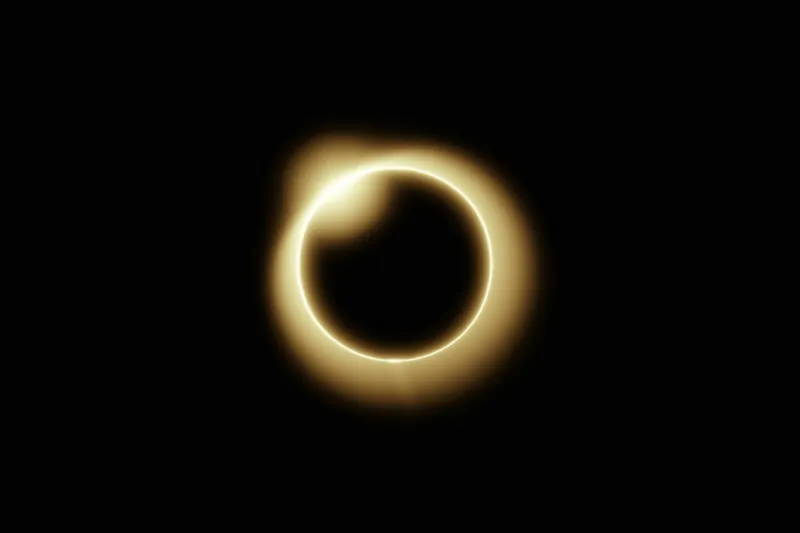
The first eclipse of 2027 is a ring of fire over Argentina, Uruguay and Ghana
On 6 February 2027 the Moon leaves a bright ring of sunlight around its edge for up to seven and a half minutes along the Atlantic coast of Argentina.
News
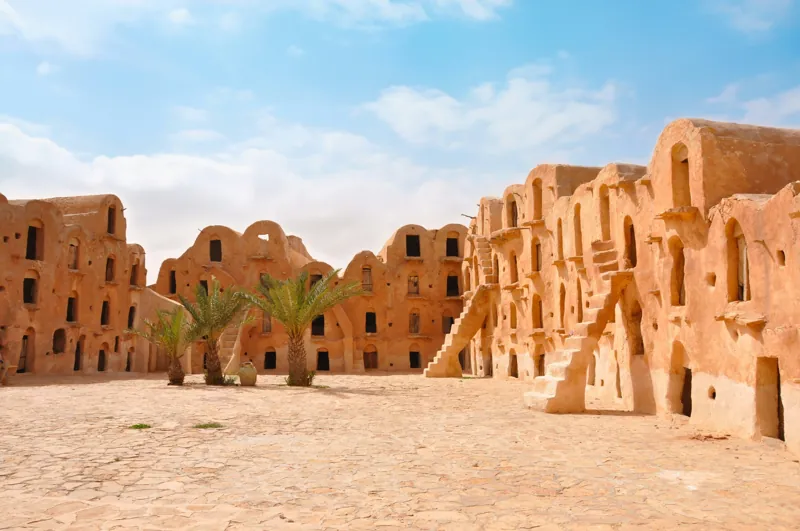
The 2027 eclipse will darken Star Wars filming locations in Tunisia
Both the Mos Espa set near Tozeur and the Mos Eisley streets of Ajim on Djerba lie inside the path of totality.
News
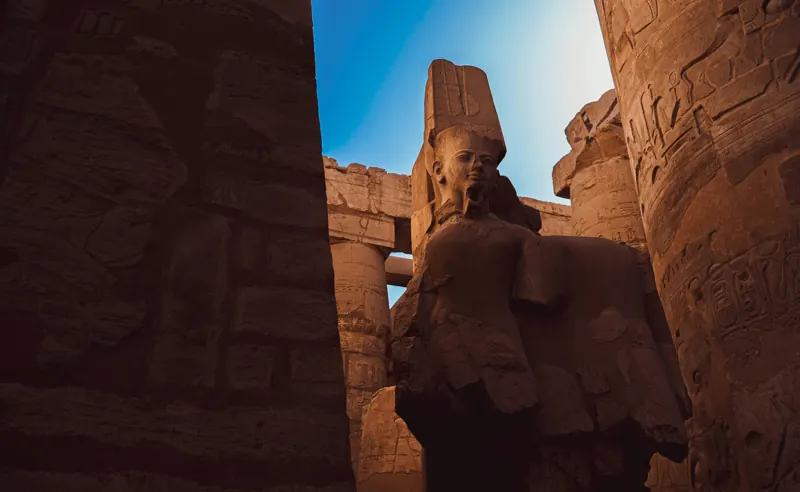
Luxor named one of National Geographic’s best places to visit in 2027
The eclipse city makes the Best of the World 2027 list, with new hotels and a luxury sleeper train due to open next year.
News
Egypt sets up a special committee to prepare for the 2027 eclipse
The committee will choose viewing sites, provide services there and coordinate security, transport and help for visitors.
News
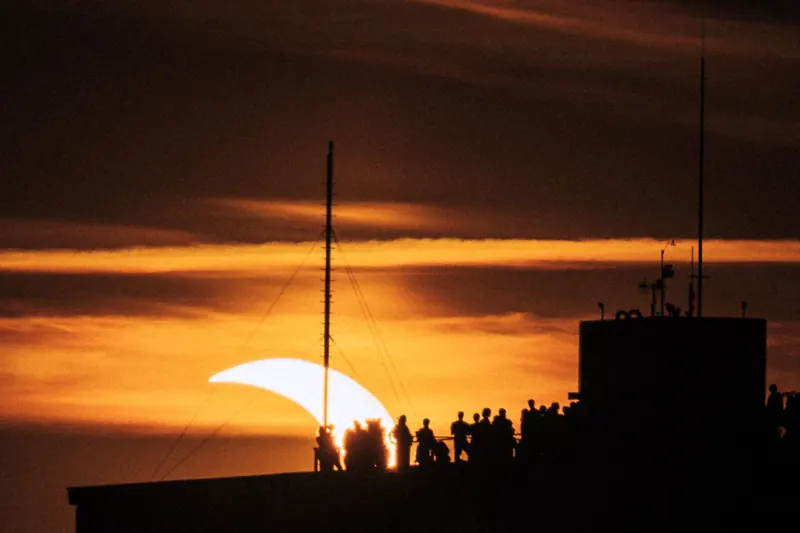
Millions watched Spain’s first total eclipse in over a century
Clear skies, heat above 35°C (95°F) and 350 official viewing sites: how the eclipse of 12 August 2026 went, a year before the next one.
How we report eclipse news
News about an eclipse starts years before the day itself. Governments set up committees, hotels open booking calendars, airlines add flights and scientists plan expeditions. Before the total eclipse of 2 August 2027 we follow the stories that change plans for people travelling to Spain, Gibraltar, Morocco, Algeria, Tunisia, Egypt and Saudi Arabia.
Every story names its source, so you can find the original reporting and check the details yourself. Times, durations and the height of the Sun come from our own calculations for each place. When a report gives a forecast or an estimate, such as the number of expected visitors, we say who made it. New stories appear as the eclipse gets closer.